
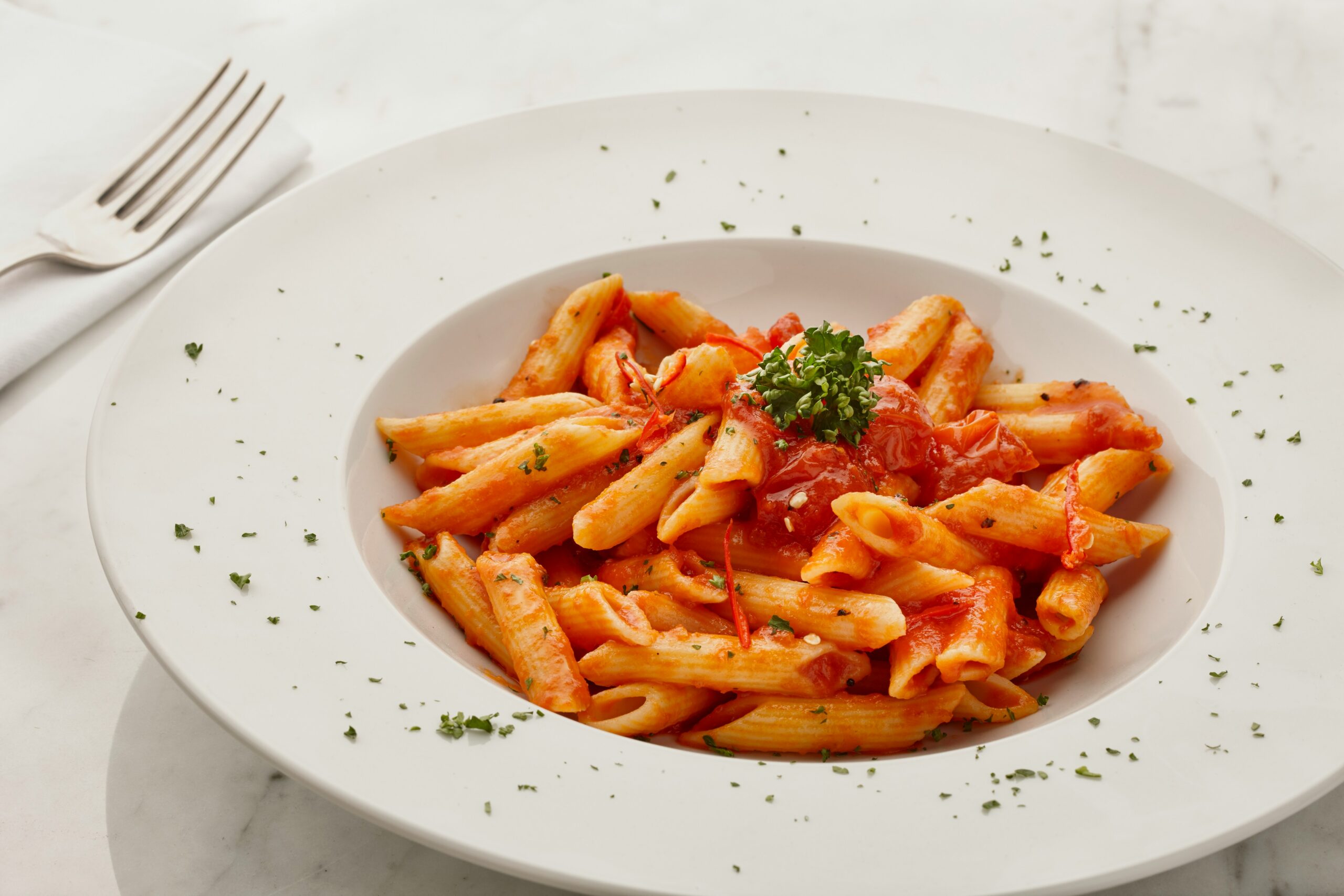
Eat Healthy. This phrase gets tossed around a lot in conversations but what does “healthy eating” really mean? Is it a trend? Another buzzword? A diet plan? A list of forbidden foods?
At Oleander Life, we believe healthy eating isn’t a fad. It’s a daily practice: choosing foods based on what your body needs, not what trends, marketing, or packaging tells you. Here’s the honest, no-nonsense guide to what healthy eating truly means, and how you can make it real in your everyday life.
What is “Healthy Eating”?
Healthy eating simply means choosing foods that fuels, nourishes, and supports your body’s needs. A truly healthy diet is built on:
- Real, whole foods
- Balanced meals (carbs, proteins, healthy fats, fibre)
- Nutrient-dense choices (vitamins, minerals, fibre)
- Listening to hunger and fullness
- Minimizing foods that drain your health
Why Healthy Eating Matters
When you eat whole, nourishing foods consistently, you:
- Maintain steady energy and focus throughout the day
- Support digestion, gut health, and balanced blood sugar
- Strengthen your immune system
- Meet your body’s nutrient needs (vitamins, minerals, fibre)
- Reduce cravings and avoid overeating
- Support weight goals, muscle maintenance, recovery
- Promote better mood, skin, sleep, and long-term health
Healthy Eating Is Different for Everyone
Healthy eating becomes easier when you stop guessing and start eating based on your specific body needs.
Below is a clearer, more intentional breakdown of what to eat depending on what you want your diet to help you achieve.
1. If your goal is energy and productivity
When your energy drops, it’s usually your blood sugar, hydration, and micronutrient levels working against you.
To sustain energy throughout the day, prioritize foods that:
- Release energy slowly
- Support brain function
- Prevent sugar crashes
- Improve focus
Eat More of These:
1. High-Fiber Carbohydrates
These keep your blood sugar stable.
Examples: oats, apples, bananas, beans, whole wheat bread, millet
2. Healthy Fats (brain support + improved concentration)
Your brain needs fat for memory, mental clarity, and cognitive stamina.
Examples: avocado, cashews, almonds, groundnuts, olive oil
3. Lean Proteins (reduce fatigue + keep you full longer)
Protein stabilizes hunger and maintains steady productivity.
Examples: boiled eggs, Greek yogurt, chicken breast, fish, beans
4. Hydrating Fruits (quick natural energy boost)
Examples: oranges, pineapple, watermelon
2. If your goal is better digestion
Digestion improves when your meals support gut movement, hydration, and microbiome balance.
Eat More of These:
1. High-Fiber Foods
Fiber supports waste removal, reduces bloating, and helps with constipation.
Examples: oats, apples, bananas, beans, vegetables
2. Fermented Foods
They improve digestion and reduce digestive discomfort.
Examples: plain yogurt, kefir, fermented pap (ogi)
3. Water-Rich Foods
Your digestive system needs water to soften food and move it efficiently.
Examples: cucumber, watermelon, oranges
4. Light Herbal Teas
Warm liquids help your gut relax and move better.
Examples: ginger tea, chamomile tea, lemon warm water
3. If your goal is weight management
Weight balance depends on choosing foods that:
- Keep you full
- Prevent overeating
- Support metabolism
- Control cravings
Eat More of These:
1. Protein-Rich Foods
Protein reduces hunger hormones and keeps you satisfied longer.
Examples: eggs, chicken breast, fish, beans, tofu (if available)
2. High-Fiber Carbohydrates
These provide energy without causing spikes and crashes.
Examples: brown rice, oats, beans, vegetables
3. Low-Calorie Vegetables (eat a large volume without extra calories)
They help create balanced plates and reduce overeating.
Examples: cabbage, spinach, carrots, lettuce, tomatoes
4. Smart Snacks (replace sugar-heavy processed snacks)
These curb cravings without slowing down progress.
Examples: fruits, Greek yogurt, nuts, roasted chickpeas
4. If your goal is hormonal health and wellness
Hormonal balance depends on:
- Healthy fats
- Stable blood sugar
- Enough protein
- Anti-inflammatory nutrients
Eat More of These:
1. Healthy Fats
Hormones are made from fats.
Examples: avocado, olive oil, nuts, seeds
2. Iron- & Protein-Rich Foods
Low iron affects hormones, mood, and energy levels.
Examples: eggs, beans, beef, spinach, sardines
3. Antioxidant-Rich Fruits
These help your body regulate stress and hormone balance.
Examples: citrus fruits, grapes, berries
4. High-Fiber Foods
There is a strong gut–hormone connection; fiber supports hormonal balance.
Examples: oats, bananas, apples, vegetables, beans
Ultra-Processed Foods (UPFs): Why Many Foods Aren’t Really Food
You might have heard the term “ultra-processed foods.” This isn’t scare-mongering and it comes from decades of nutrition science.
What are Ultra-Processed Food (UPFs)?
According to the widely used classification system NOVA classification, developed by nutrition researchers in 2009: Foods can be grouped based on how much they’re processed and how.
- Group 1: Unprocessed / minimally processed foods — fresh fruits, vegetables, whole grains, fresh meat/fish, plain legumes, etc.
- Group 2: Culinary ingredients — oils, butter, sugar, salt, used in cooking.
- Group 3: Processed foods — items made with Group 1 + Group 2 foods with little added complexity, like canned vegetables, cheeses, simple breads.
- Group 4: Ultra-processed foods (UPFs) — industrial formulations with little to no intact whole food, often containing refined starches, added sugars, oils/fats, additives, preservatives, and chemicals for taste, texture, or shelf-life.
UPFs are often designed to taste good, last long on shelves, and be cheap but these advantages come with health trade-offs.
Why Ultra-Processed Foods Are Problematic
- UPFs tend to be high in unhealthy fats, sugar, salt, additives, and low in fibre, micronutrients, and natural nutrients.
- Their nutrient profile and structure make them energy-dense but nutrient-poor — easy to overeat, easy to neglect your body’s real needs.
- Many studies link high UPF consumption to elevated risks of cardiovascular disease, obesity, metabolic disorders, and chronic inflammation.
How to Recognize Ultra-Processed Foods (and Avoid Them)
When you shop or open a snack pack, use these quick tests:
1. Ingredient-List Test
If the list is long and full of unrecognizable names like maltodextrin, modified starch, high-fructose corn syrup, hydrogenated oils, emulsifiers, food dyes, flavour enhancers, then treat it with caution. Those are classic UPF markers.
2. “Could I cook this in my kitchen?” Test
If you couldn’t recreate the food at home with simple ingredients (e.g. flour, water, veggies, spices), it’s likely ultra-processed. UPFs are often industrially formulated and require complex processing.
3. Nutrient & Fibre Check
Healthy meals tend to have fibre, nutrients, and natural components. UPFs tend to lack fibre and essential nutrients while being high in calories, sugar, salt, and additives. When you read the label and can’t recognise most ingredients, be wary.
Why Reading Food Labels Matter
If you haven’t already, check out our full guide on how to read food labels correctly. Understanding labels is the first step. It helps you spot UPFs, hidden sugars, excessive salt, artificial additives, and misleading marketing. Once you know what to watch for, healthy eating becomes simpler and more intentional.
What Healthy Eating Looks Like in Real Life
You don’t need to be perfect. You need to be consistent. Here’s how to start:
- Build balanced plates: Aim for half veggies/fruit + quarter protein + quarter complex carbs + a bit of healthy fat.
- Favor whole or minimally processed foods: Fruits, vegetables, whole grains, beans, nuts, fresh meat/fish, plain dairy.
- Include protein in every major meal — helps satiety and maintains muscle/energy.
- Eat fibre-rich foods: Oats, fruits, beans, vegetables help digestion, gut health, blood sugar stability.
- Stay hydrated. Water helps your body process nutrients and stay balanced.
- Reduce ultra-processed foods: Don’t eliminate completely (especially if it’s unsustainable), but decrease frequency. Use label-reading + intention.
- Make small swaps gradually: Replace fried foods with grilled/baked foods; sugary drinks with water or fresh fruit; heavy snacks with nuts/fruit; meals with refined carbs with meals with whole grains + veggies.
- Listen to your body: Eat when hungry, stop when satisfied. Healthy eating includes respecting your hunger and fullness cues.